TrackFarm: Revolutionizing Livestock Management with AI-Powered Smart Farming
The global agricultural sector is undergoing a profound transformation, driven by the imperative to increase efficiency, ensure sustainability, and meet the demands of a rapidly growing population. Within this shift, the livestock industry, particularly pig farming, faces unique challenges related to disease management, labor shortages, and environmental impact. TrackFarm, a South Korean-based AgTech innovator, is positioned at the forefront of this revolution, leveraging deep learning and IoT infrastructure to deliver an AI-powered smart farming solution that promises to redefine the economics and operational standards of swine management.
The Technological Core: Deep Learning and IoT Integration
TrackFarm’s solution is built upon a sophisticated technical architecture that integrates proprietary deep learning models with a robust network of Internet of Things (IoT) sensors and hardware. This combination moves beyond simple data collection to provide predictive analytics and autonomous control, which is the hallmark of a true smart farming system. The integration is not merely a collection of disparate technologies but a cohesive, cyber-physical system designed for the complex, dynamic environment of modern livestock production.
AI-Powered Monitoring and Predictive Analytics: A Deep Dive
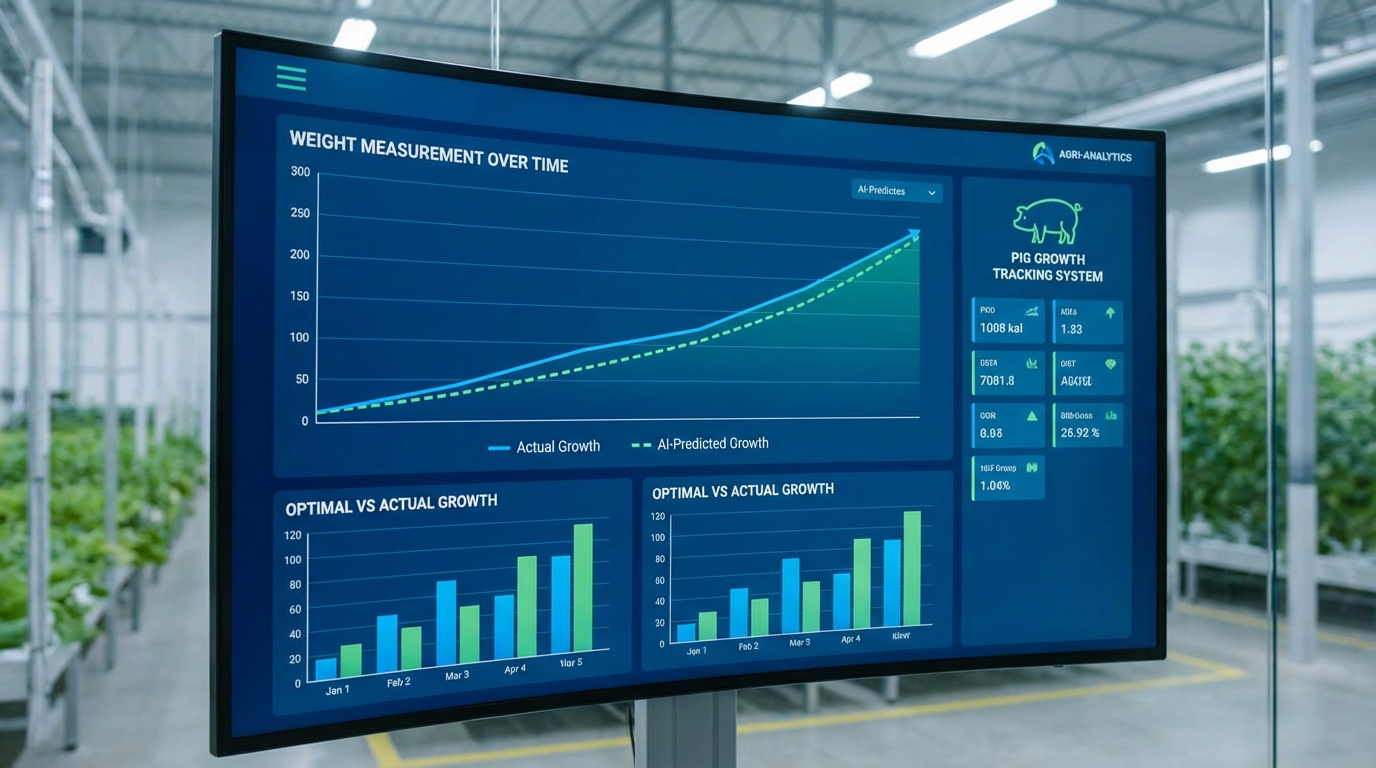
The cornerstone of the TrackFarm system is its AI camera monitoring system. This system is designed to continuously observe the entire pig population within a facility, with a technical specification of approximately one camera per 132 square meters. This density ensures comprehensive coverage and high-resolution data capture, crucial for the deep learning models to perform individual-level analysis.
The AI models, trained on a massive dataset of over 7,850 individual pig model data points, perform several critical functions, each requiring specialized computer vision and machine learning techniques:
1. Growth Prediction and Feed Optimization
Growth prediction is achieved through a combination of Convolutional Neural Networks (CNNs) for image segmentation and Recurrent Neural Networks (RNNs) or Time-Series Models for prediction. The CNNs are tasked with:
- Object Detection and Tracking: Identifying and tracking individual pigs within the camera’s field of view, even in crowded conditions. This is a non-trivial task due to occlusions and the similarity in appearance between animals.
- Body Condition Scoring (BCS): Estimating the pig’s weight and body mass index (BMI) from 2D images, often using depth-sensing cameras or stereoscopic vision to improve accuracy.
The resulting time-series data (daily estimated weight, movement patterns, feed intake duration) is fed into the predictive model. This allows farmers to optimize feeding schedules, ensuring each pig receives the precise nutrition required for optimal growth. This precision feeding minimizes feed waste, a major operational cost, and predicts market readiness with unprecedented precision, reducing the time pigs spend on the farm. Hypothetically, this can reduce the average time to market by 5-7 days, leading to significant throughput gains.
2. Disease Prevention and Early Detection via Multi-Modal Data
The system utilizes a multi-modal approach, combining standard visual data with thermal imaging to detect subtle physiological and behavioral anomalies. This is where the deep learning models truly shine, acting as a tireless, hyper-vigilant observer.
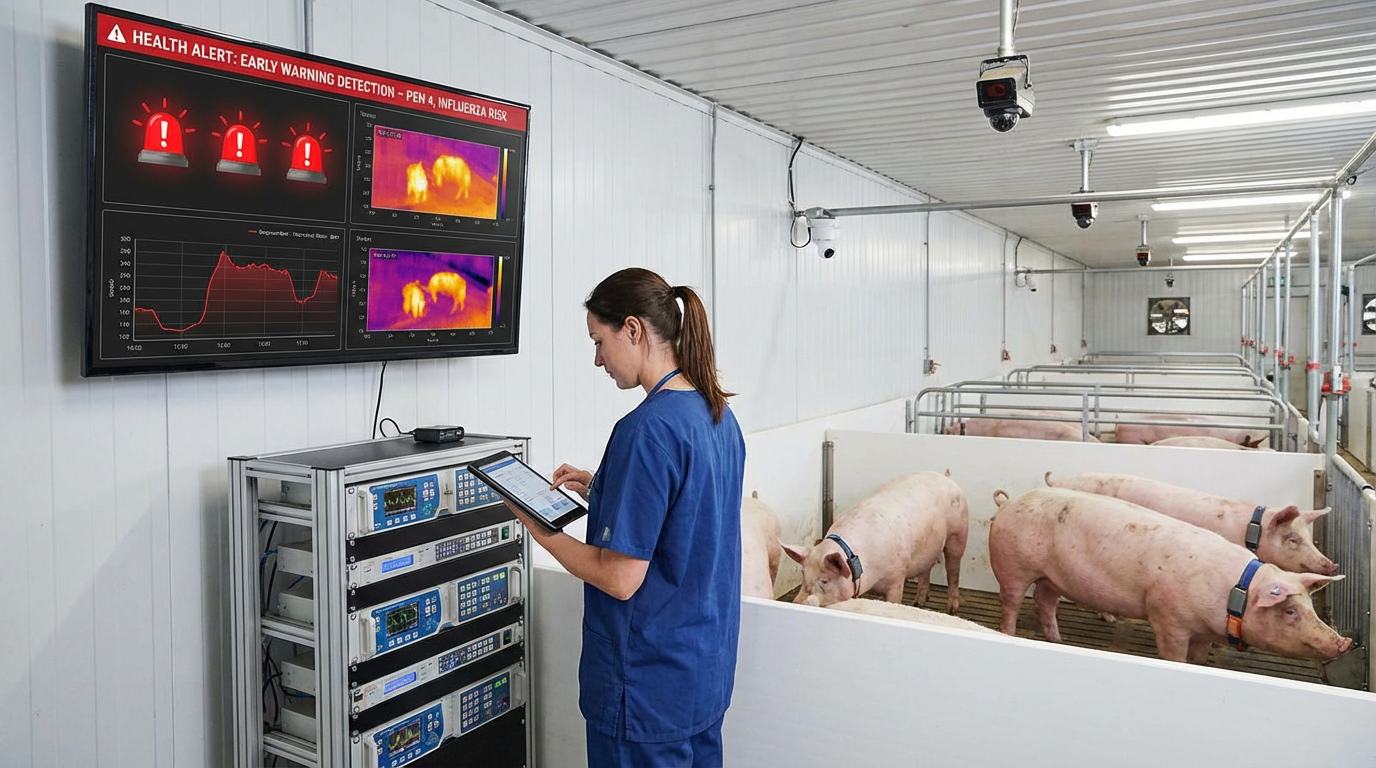
- Thermal Anomaly Detection: Thermal cameras provide non-contact temperature readings. The AI processes these thermal maps to identify pigs with elevated skin temperatures, a primary indicator of fever and systemic infection. The model must differentiate between normal temperature fluctuations (e.g., after feeding or exercise) and pathological fever, often by establishing a personalized baseline for each animal.
- Behavioral Change Analysis: The system uses Hidden Markov Models (HMMs) or similar sequential models to analyze deviations from normal behavior. Changes in lying posture, reduced activity levels (lethargy), increased coughing frequency (detected via acoustic sensors, though not explicitly mentioned, it is a common smart farm feature), or altered social interaction patterns are flagged immediately. This early warning capability is crucial in preventing the rapid spread of infectious diseases, a major risk in high-density farming. Studies suggest that AI-driven early detection can reduce mortality rates from common diseases by up to 40%.
3. Behavioral Analysis and Welfare Monitoring
The deep learning algorithms track and classify pig behavior, identifying stress, aggression, or abnormal resting patterns. This data provides a quantitative measure of animal welfare, which is increasingly important for regulatory compliance and consumer acceptance. For instance, increased tail-biting or fighting behavior can be an early indicator of overcrowding or nutritional deficiencies, allowing for proactive intervention.
The DayFarm Platform: A Comprehensive Ecosystem Architecture
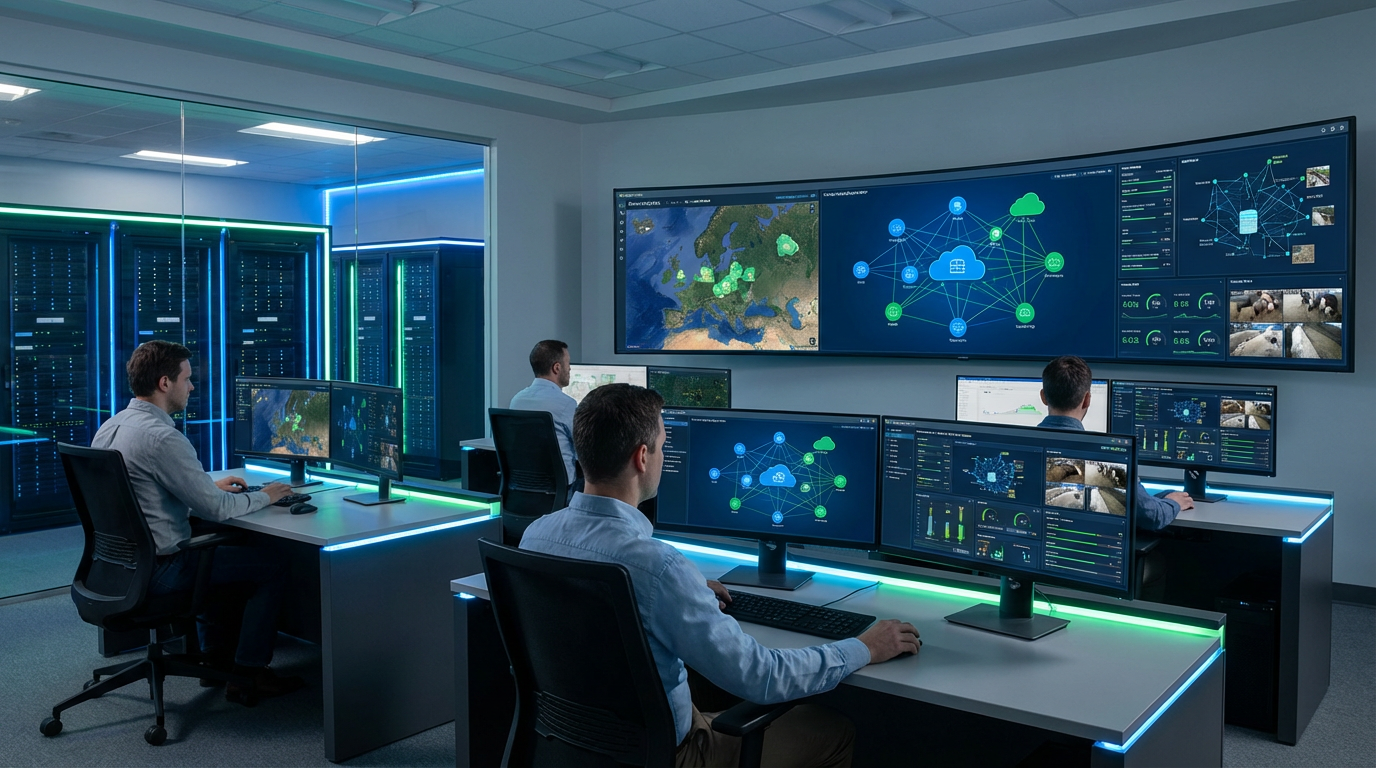
TrackFarm’s technology is unified under the DayFarm platform, which is structured into three distinct, yet integrated, technological pillars. The platform operates on a robust cloud infrastructure (likely utilizing a major provider like AWS or Azure) to handle the massive data ingestion and processing load.
| Pillar | Technology Focus | Core Functionality | Technical Architecture Detail |
|---|---|---|---|
| SW (AI Software) | Deep Learning, Computer Vision, Cloud Computing | Data processing, predictive modeling, user interface, remote management. | Microservices architecture, real-time data streaming (e.g., Kafka), containerized deployment (e.g., Kubernetes) for scalability. |
| IoT (Sensors/Hardware) | Environmental Sensors, AI Cameras, Actuators | Real-time data collection (temperature, humidity, air quality), automated environmental control, physical monitoring. | Edge computing for low-latency inference, robust industrial-grade sensors, LPWAN/Mesh network for reliable farm-wide connectivity. |
| ColdChain (Logistics) | Supply Chain Management, Traceability, Quality Control | Ensuring optimal conditions from farm to consumption, enhancing transparency and food safety. | Potential use of Distributed Ledger Technology (DLT) for immutable traceability, API integration with logistics partners and processing plants. |
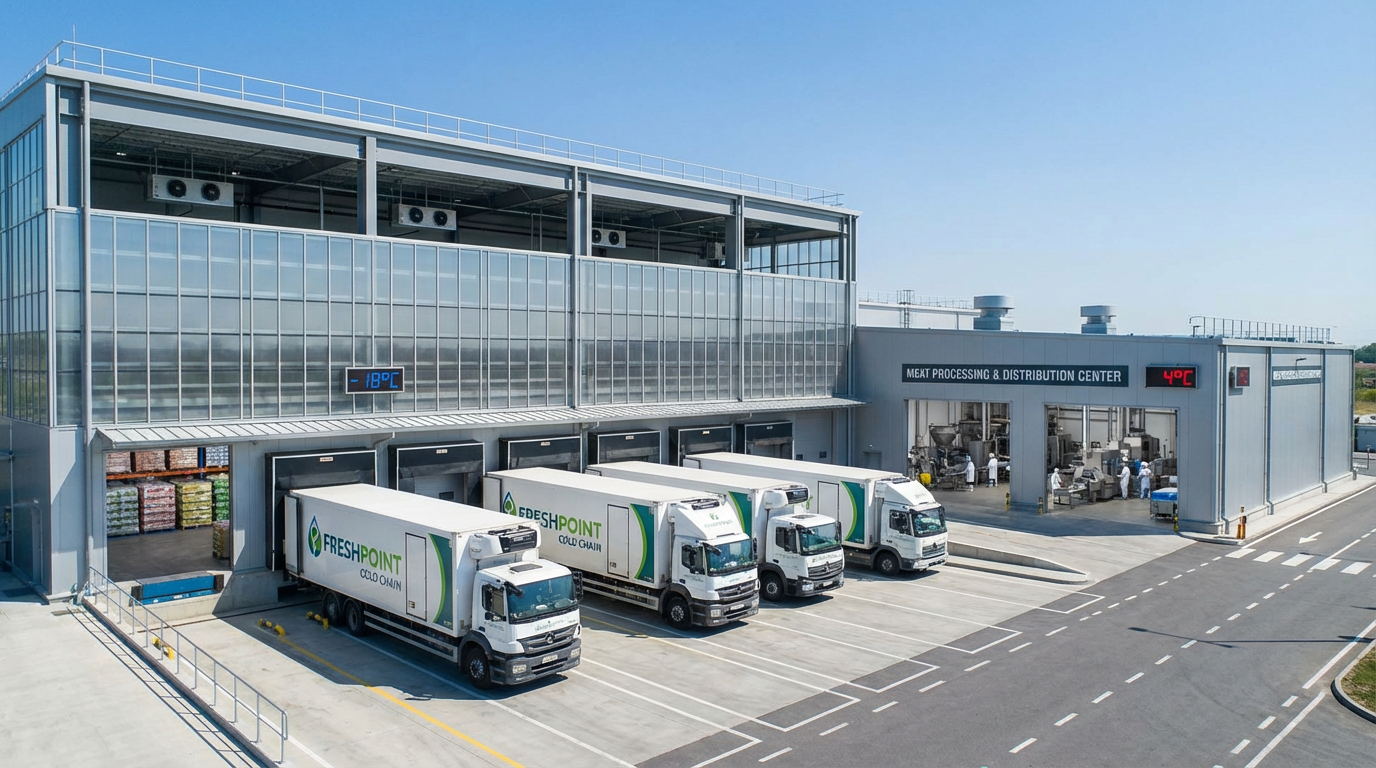
This “Production To Consumption” vision is not merely a slogan but a technical roadmap for end-to-end integration. The ColdChain component, in particular, represents a forward-looking approach that extends the value of the AI-driven farm data into the logistics and processing phases, ensuring quality and traceability for the final consumer. The ability to link the final product back to the precise environmental and health data of the individual animal is a powerful differentiator in the premium food market.
Operational Efficiency and Economic Impact Analysis
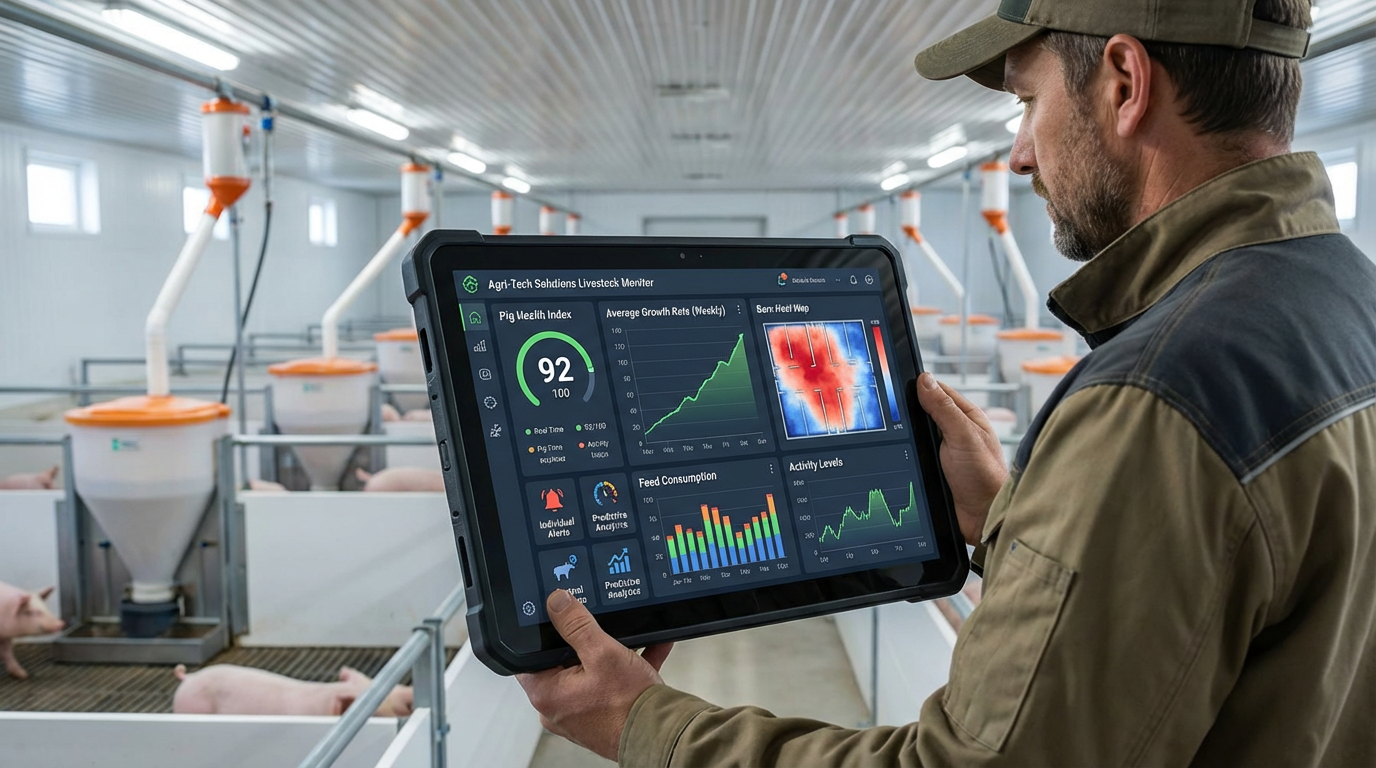
The primary value proposition of TrackFarm is the dramatic increase in operational efficiency, primarily through automation. The company claims a reduction in labor costs by 99% through the implementation of its automated monitoring and control systems. This figure is a critical metric in an industry facing severe labor shortages and rising wage costs globally.
Deconstructing the 99% Labor Cost Reduction
The 99% labor cost reduction is achieved by automating tasks that traditionally require constant human supervision. A detailed breakdown of the automation impact reveals the depth of the system’s efficiency:
| Traditional Task | Time Requirement (Per Day, 1,000-Pig Farm) | Automation Method | Labor Reduction Impact |
|---|---|---|---|
| Visual Health Check/Patrol | 4-6 hours | Continuous AI monitoring, real-time alerts | ~95% |
| Environmental Manual Adjustment | 2-3 hours | IoT sensor-driven automated HVAC/ventilation | 100% |
| Individual Weight/Growth Monitoring | 5-10 hours (weekly average) | AI camera-based weight estimation and growth prediction | 100% |
| Data Logging and Compliance Reporting | 1-2 hours | Automated data collection and cloud-based reporting | ~90% |
| Disease Isolation Response Time | Variable, but critical | Early detection via thermal/behavioral analysis | Indirect (Reduces severity/spread) |
The automation of these routine, high-frequency tasks allows the remaining human labor to focus on high-value tasks, such as veterinary care, maintenance, and strategic planning, rather than routine surveillance. This shift fundamentally changes the skill set required on the farm, moving from manual labor to data-driven management.
Technical Specifications of the IoT Infrastructure
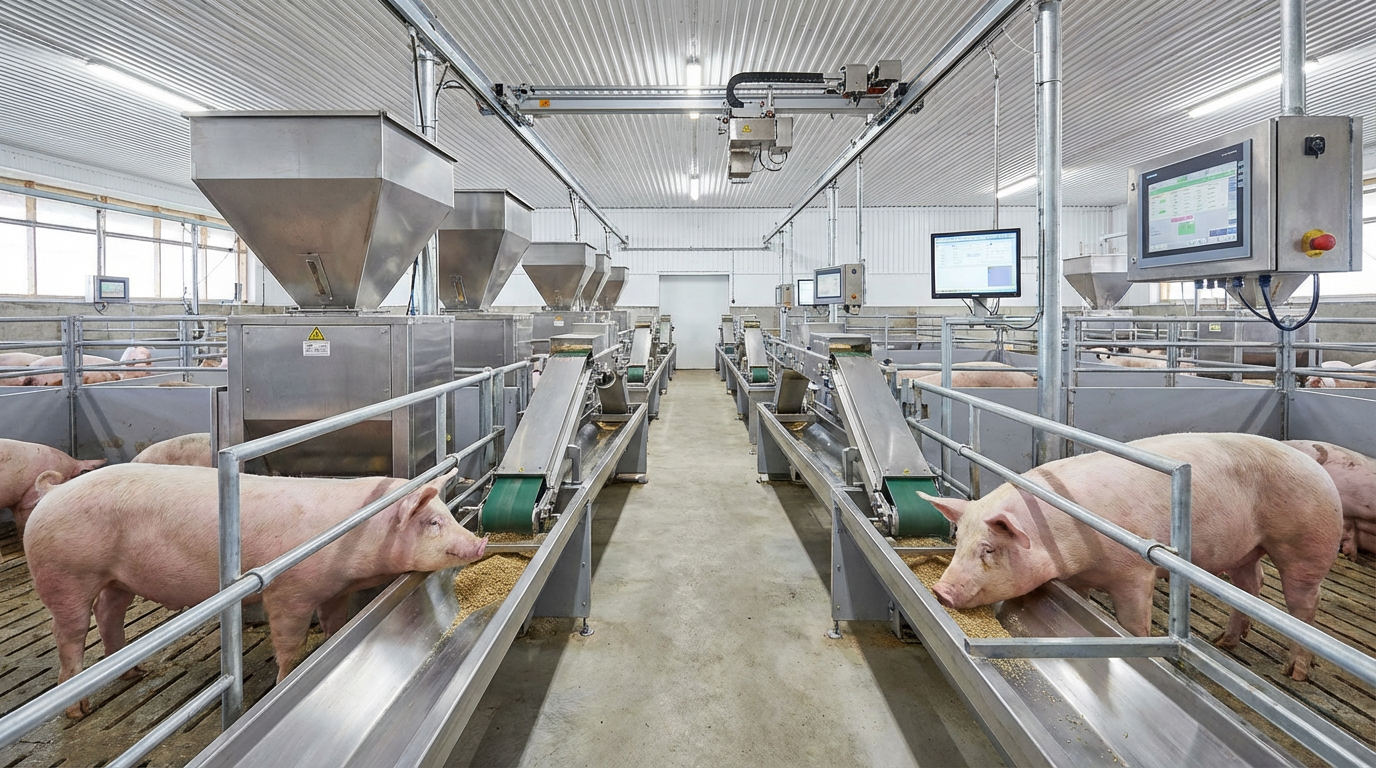
The IoT component is crucial for the system’s reliability and data integrity. The sensors are designed to operate in the harsh, corrosive environment of a pig farm, which is characterized by high humidity, temperature fluctuations, and high concentrations of corrosive gases like ammonia.
Key technical features of the IoT hardware include:
- Multi-Parameter Sensing: Monitoring of temperature, relative humidity, ammonia (NH3), hydrogen sulfide (H2S), and particulate matter (PM). The sensors must be industrial-grade with high Mean Time Between Failures (MTBF) and self-calibration capabilities to ensure long-term accuracy.
- Robust Connectivity: Utilizing low-power wide-area network (LPWAN) technologies (e.g., LoRaWAN, NB-IoT) or robust Wi-Fi/Ethernet backbones to ensure data transmission reliability across large farm complexes. LPWAN is particularly valuable for its ability to penetrate thick concrete walls and cover wide areas with minimal power consumption.
- Edge Computing: To ensure low-latency alerts, some data pre-processing and initial anomaly detection occur at the edge (on the camera or local server). This reduces the volume of data transmitted to the cloud, saving bandwidth and allowing for immediate, localized control actions (e.g., triggering a fan or a misting system). The edge devices likely utilize specialized hardware accelerators (e.g., NVIDIA Jetson or Google Coral) for efficient AI inference.
The integration of these robust hardware components with the sophisticated AI software creates a closed-loop system where data informs action, and action is executed autonomously, ensuring optimal environmental conditions 24/7.
Market Analysis and Global Expansion Strategy
TrackFarm’s market strategy is characterized by a dual focus on its domestic market in South Korea and aggressive expansion into high-growth international markets, particularly Southeast Asia. This strategy is underpinned by a strong R&D base and strategic partnerships.
The Korean R&D Base and Innovation Credentials
TrackFarm was founded in December 2021 and is headquartered in Gyeonggi-do Uiwang-si. Its commitment to continuous improvement is demonstrated by its dedicated R&D Farm in Gangwon-do Hoengseong-gun, which houses over 2,000 pigs. This facility serves as a live laboratory for refining AI models, testing new sensor technologies, and validating the economic impact of the DayFarm platform under real-world conditions.
The company’s selection for the prestigious TIPS program in 2023 (Tech Incubator Program for Startup) is a significant validation of its core technology and market potential, recognized by the Korean government. Furthermore, the company’s participation in CES 2024 and 2025 signals a clear intent to target the global market, including the USA, positioning itself as a global leader in livestock AgTech. Academic collaborations with Seoul National University and Korea University ensure a continuous pipeline of cutting-edge research, particularly in deep learning and computer vision, which are the core competitive advantages of the platform.
Strategic Focus on Vietnam and Southeast Asia: A Market Ripe for Disruption
The expansion into Vietnam is a highly strategic move, targeting one of the world’s largest and most challenging swine markets. The Vietnamese market presents a unique set of challenges and opportunities that TrackFarm is uniquely positioned to address.
| Metric | Vietnam Swine Market Data | Significance for TrackFarm | Technical Adaptation Required |
|---|---|---|---|
| Global Rank | 3rd largest pig market globally | High volume, significant potential for market penetration. | Localization of software interface and support for local languages. |
| Total Population | 28 million+ pigs | Large addressable market for a scalable solution. | Scalable cloud infrastructure to handle rapid growth in data volume. |
| Farm Structure | 20,000+ small farms | High fragmentation, indicating a strong need for standardization and efficiency gains. | Development of a “lite” version of the IoT hardware for smaller, less sophisticated farms. |
| TrackFarm Presence | Ho Chi Minh, Dong Nai (3,000+ pigs) | Established operational base for regional expansion and model adaptation. | Domain adaptation of AI models to account for local pig breeds and environmental conditions. |
The prevalence of 20,000+ small farms in Vietnam means that the introduction of a system that can reduce labor costs and improve disease control offers a massive competitive advantage. These smaller operations often lack the capital and expertise for sophisticated management, making them highly vulnerable to disease outbreaks. TrackFarm’s solution provides an accessible, data-driven management layer that was previously only available to large-scale industrial farms.
TrackFarm’s ability to adapt its AI models, initially trained on Korean pig data, to the specific breeds and tropical environmental conditions of Vietnam is a key technical challenge and a competitive differentiator. The company’s partnerships with major regional players like CJ VINA AGRI, VETTECH, and INTRACO provide essential local knowledge, distribution channels, and validation for the technology in the local context.
The TrackFarm Business Model and Revenue Streams: A Financial Analysis
TrackFarm employs a multi-faceted revenue model designed to capture value across the entire pig production lifecycle, from hardware and software provision to breeding and processing services. This model is highly scalable and provides recurring revenue streams, aligning the company’s financial success with the farmer’s profitability.
Detailed Revenue Model Breakdown
The revenue model is structured to maximize recurring revenue and capture value at different stages of the value chain:
| Revenue Stream | Pricing Model | Annual Revenue Per Pig | Value Proposition |
|---|---|---|---|
| HW/SW Subscription | Annual Fee | $300 per pig per year | Access to DayFarm AI software, IoT data, and automated control. Covers hardware lease/maintenance. |
| Breeding Services | Per Pig Fee | $330 per pig | Provision of superior, AI-tracked breeding stock, leading to higher yields and healthier offspring. |
| Processing Services | Per Pig Fee | $100 per pig | ColdChain logistics and traceability services, enabling access to premium, verifiable markets. |
This tiered model allows TrackFarm to engage with farms at different levels of investment. A farm can start with the core HW/SW subscription and, as they realize the ROI, integrate the higher-margin breeding and processing services.
Return on Investment (ROI) Calculation
To illustrate the economic impact, consider a hypothetical 1,000-pig farm:
| Parameter | Traditional Farm (Annual) | TrackFarm-Enabled Farm (Annual) | Savings/Gain |
|---|---|---|---|
| Labor Cost (Est. $20k/worker) | $100,000 (5 workers) | $1,000 (99% reduction) | $99,000 |
| Feed Waste Reduction (Est. 5%) | $50,000 (Hypothetical) | $10,000 (80% reduction) | $40,000 |
| Mortality Rate (Est. 5%) | 50 pigs | 30 pigs (40% reduction) | $15,000 (Est. value) |
| Time to Market Reduction | 0 days | 7 days | $20,000 (Est. throughput gain) |
| Total Operational Savings/Gain | – | – | ~$174,000 |
| TrackFarm HW/SW Cost | $0 | $300,000 (1,000 pigs x $300) | – |
| Net Annual Benefit (Excluding Breeding/Processing) | – | -$126,000 (Year 1) | – |
While the initial subscription cost is substantial, the total operational savings and gains in efficiency and yield are designed to provide a rapid payback period, likely within 2-3 years, making the investment highly attractive for forward-thinking farm owners. The financial viability is further strengthened by the company’s existing 10+ farm partnerships, which provide real-world data to validate these ROI projections.
Technical Deep Dive: AI Model Architecture and Data Strategy
The performance of TrackFarm’s AI is directly dependent on the quality and quantity of its training data and the efficiency of its model architecture. The company’s 7,850+ individual pig model data is its most valuable asset.
Data Acquisition, Governance, and Security
The foundation of the massive dataset is a meticulously curated and governed data pipeline. Data acquisition involves:
- Continuous Video Streams: High-resolution video from the AI cameras, requiring significant storage and bandwidth.
- Thermal Data: Infrared images for non-invasive temperature monitoring, which must be synchronized with visual data.
- Environmental Logs: Time-series data from IoT sensors (temp, humidity, gas levels), requiring robust data warehousing solutions.
- Ground Truth Data: Manual veterinary records, weight logs, and mortality data, which are used to label and validate the AI’s predictions. This is the most critical step, as the accuracy of the ground truth directly determines the performance ceiling of the AI.
Data Governance is crucial, especially when operating across international borders (Korea and Vietnam). The system must ensure data privacy, even for livestock data, and comply with local regulations regarding data storage and transfer. The data is likely anonymized and aggregated before being used for global model training.
Model Deployment, Inference, and Evaluation
The AI models are likely based on state-of-the-art computer vision architectures, such as variations of YOLO (You Only Look Once) or Mask R-CNN for object detection and segmentation.
- Real-Time Inference: The system requires low-latency inference to provide real-time alerts. This necessitates efficient model deployment, potentially using optimized frameworks like TensorRT or OpenVINO, and running inference on powerful edge devices or local servers within the farm network. The latency requirement for a critical disease alert is typically sub-5 seconds.
- Model Adaptation (Transfer Learning): A critical technical challenge in the Vietnam expansion is domain adaptation. Models trained on Korean pig breeds and farm layouts must be fine-tuned to maintain accuracy in the new environment. This process involves collecting a subset of local data and retraining the final layers of the deep learning model (a technique known as transfer learning) to adapt to differences in lighting, breed morphology, and farm infrastructure.
- Model Evaluation Metrics: The models are evaluated using rigorous metrics:
- Disease Detection: High F1-score and Recall are prioritized to minimize False Negatives (missing a sick pig).
- Growth Prediction: Low Mean Absolute Error (MAE) for weight estimation.
- Object Tracking: High Multiple Object Tracking Accuracy (MOTA) to ensure individual pigs are correctly tracked over time.
The Role of Thermal Imaging in Proactive Health Management
Thermal imaging is a key technical feature for disease prevention, moving the system from reactive to proactive health management. It allows for the non-contact measurement of skin temperature, which is a reliable indicator of fever and inflammation. The AI processes these thermal maps to:
- Identify Hot Spots: Flagging pigs with elevated temperatures indicative of systemic infection.
- Monitor Group Health: Tracking the average temperature of a pen to detect the onset of a widespread health issue before visible symptoms appear.
- Validate Behavioral Anomalies: A behavioral flag (e.g., lethargy) combined with a thermal anomaly provides a high-confidence alert for veterinary intervention.
This technology significantly enhances the system’s ability to act as a proactive health management tool rather than a reactive monitoring system, directly contributing to the reduction in mortality rates.
Future Outlook and Strategic Challenges
TrackFarm’s trajectory suggests a strong focus on scaling its proven technology across Asia and beyond. However, several strategic and technical challenges remain that will define its long-term success.
Scaling and Standardization: The Global Deployment Challenge
The primary challenge for global scaling is the standardization of the DayFarm platform across diverse regulatory and environmental conditions.
| Challenge Area | Technical Implication | Strategic Response |
|---|---|---|
| Regulatory Compliance | Adapting data privacy and animal welfare standards for each target market (e.g., USA, EU). | Modular software architecture allowing for rapid customization of reporting and compliance features, potentially using a rules engine. |
| Environmental Variability | Ensuring sensor accuracy and AI model performance across extreme climates (e.g., tropical Vietnam vs. temperate Korea). | Continuous data collection and model retraining in each new operational environment, leveraging federated learning to share model improvements without sharing raw data. |
| Hardware Logistics | Managing the supply chain and maintenance of IoT hardware across vast geographical distances. | Establishing strong local partnerships for installation, maintenance, and technical support, and designing hardware for modular, easy-to-replace components. |
| Interoperability | Integrating with existing farm management software (FMS) and legacy systems. | Developing a robust set of APIs for seamless data exchange with third-party FMS and accounting software. |
The “From Production To Consumption” Vision: The ColdChain Differentiator
The successful realization of the ColdChain vision is the ultimate differentiator. This requires seamless integration with third-party logistics providers and processing plants. The technical hurdle is creating a secure, immutable data ledger (potentially using blockchain technology, though not explicitly stated) that links the individual pig’s life data (growth rate, health history) to the final meat product.
This level of transparency is a major selling point for premium markets and aligns with modern consumer demands for ethical and traceable food sources. For example, a consumer could scan a QR code on a package of pork and instantly verify the pig’s health history, farm environment data, and time to market, all validated by the DayFarm AI. This capability transforms a commodity product into a premium, verifiable one.
Competitive Landscape and New Revenue Streams
While the AgTech space is competitive, TrackFarm’s focus on deep learning for swine management, coupled with its established operational footprint in both Korea and Vietnam, provides a significant advantage. Competitors often focus on environmental control or simple monitoring. TrackFarm’s strength lies in its predictive, individual-level analysis powered by its extensive proprietary dataset.
Future revenue streams could include:
- Carbon Credit Verification: Using the IoT data to precisely measure and verify reductions in methane and other greenhouse gas emissions due to optimized feed and waste management, allowing farms to participate in carbon credit markets.
- Insurance Partnerships: Leveraging the AI’s low-mortality and low-disease risk profile to partner with agricultural insurance companies, offering lower premiums to TrackFarm-enabled farms.
- Genetics Data Licensing: Licensing the aggregated, anonymized data on growth and health performance of specific bloodlines to breeding companies.
The company’s commitment to R&D, evidenced by its CES participation and academic partnerships, suggests a sustained effort to maintain its technological lead. The future of livestock management is undeniably smart, and TrackFarm is building the technical infrastructure to lead that future.
The confluence of advanced AI, robust IoT, and a holistic “farm-to-fork” business model positions TrackFarm not just as a technology provider, but as a fundamental disruptor of the traditional livestock industry. By solving the critical issues of labor, disease, and efficiency, the company is poised for significant growth in its target markets and beyond. The technical sophistication of the DayFarm platform offers a compelling case study in how deep technology can revolutionize a legacy industry. The sheer volume of proprietary data and the established operational presence in two key Asian markets create a formidable competitive moat, ensuring TrackFarm’s continued relevance in the rapidly evolving landscape of global AgTech.